
Ouvrir ses flux d'actualités cet été, c'est tomber en boucle sur les mêmes visages dessinés, imprimés et incarnés. Vingt ans après ses débuts, la franchise Avatar traverse un retour de flamme massif.
Loin d'un simple accès de nostalgie spontané, ce raz-de-marée repose sur une mécanique industrielle bien rodée : une stratégie pluri-média qui s'étend du streaming au jeu vidéo, jusqu'à l'édition. Un cas d'école sur la manière dont la pop culture se consomme désormais.
1. La frappe croisée : la synergie entre Netflix et Paramount+
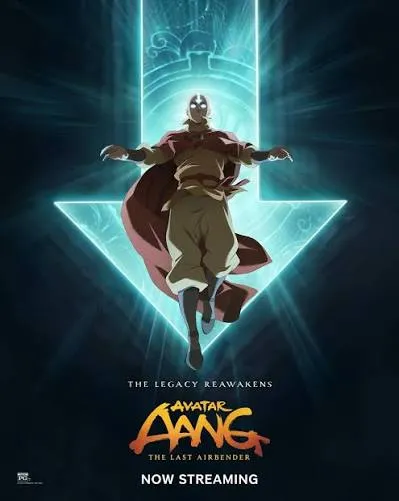
L'été 2026 réunit plusieurs sorties rapprochées sur deux plateformes de streaming concurrentes.
Le rouleau compresseur grand public (25 juin - Netflix) : en lançant la saison 2 de son adaptation en prises de vues réelles, Netflix braque les projecteurs sur l'arc le plus populaire de la saga, le Royaume de la Terre.
La réponse nostalgique (25 juillet - Paramount+) : un mois pile après, Paramount+ dégaine le film d'animation Avatar Aang: The Last Airbender. En retrouvant Aang et sa bande à l'âge adulte, portés par des voix comme Eric Nam ou Dave Bautista, Paramount capte directement les fans de la première heure.
Ce calendrier rapproché multiplie les points d'entrée : la série de Netflix et le film de Paramount+ s'adressent à des publics qui peuvent se recouper. Il ne prouve pas pour autant une coordination commerciale entre les plateformes.
2. Le jeu vidéo : transformer le spectateur en joueur
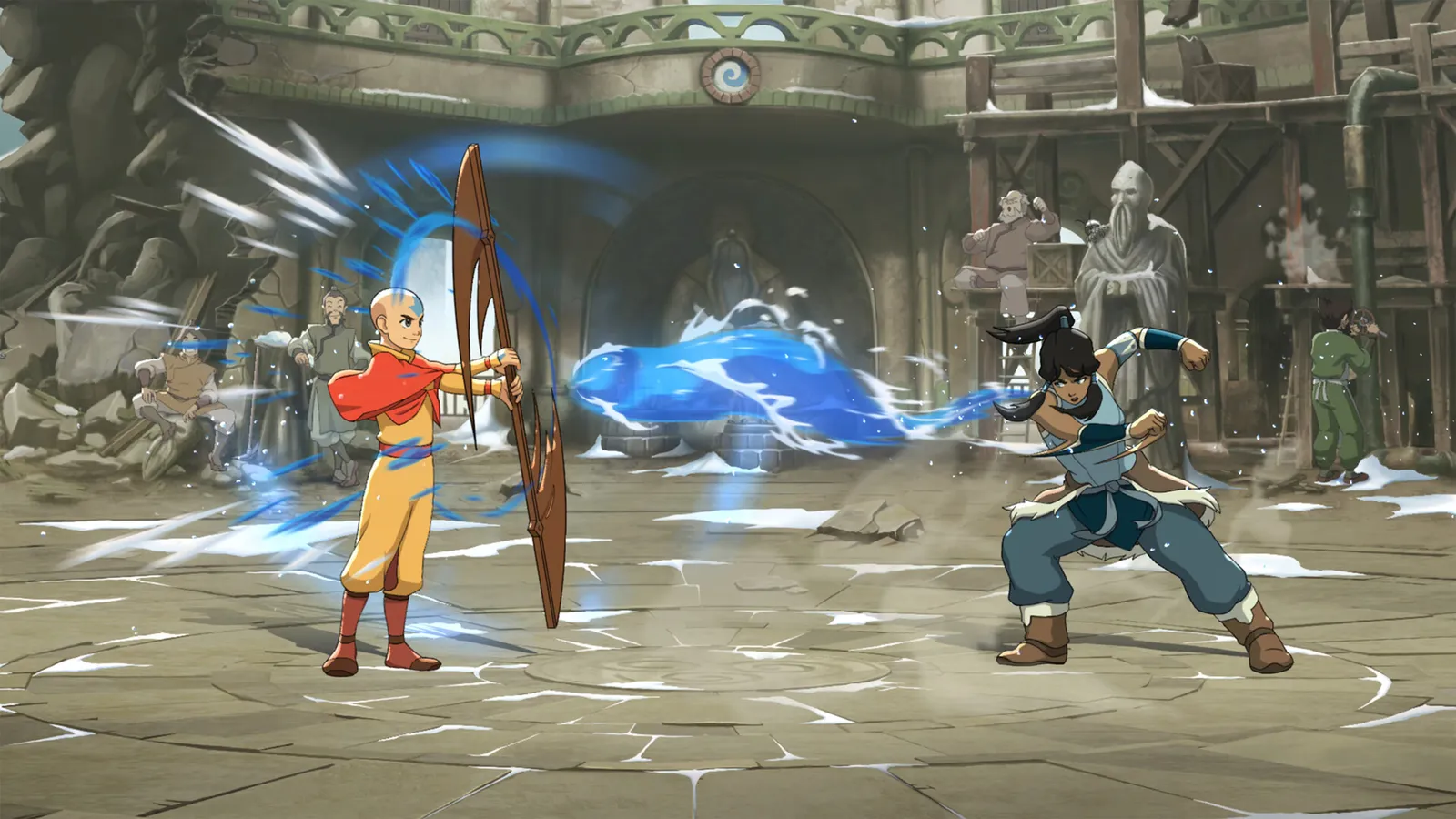
Coincé au milieu de ce calendrier, le 23 juillet, le jeu Avatar Legends: The Fighting Game vient verrouiller l'interactivité.
Plutôt qu'un jeu mobile vite oublié, la licence s'est offert un vrai jeu de combat 2D compétitif sur consoles et PC. En faisant s'affronter des personnages issus de toutes les époques, de Toph à Korra, le titre transforme l'enthousiasme passif du streaming en engagement actif, tout en occupant le terrain sur Twitch et YouTube.
3. L'édition canonique : la mine d'or du lore
Pour les fans qui veulent aller plus loin que les écrans, la franchise a déployé un écosystème littéraire étendu et entièrement canonique.
- Les romans Chronicles of the Avatar : les livres consacrés à Kyoshi, Yangchen ou Roku enrichissent la mythologie en explorant la vie d'Avatars qui ont précédé Aang.
- Les comics et romans graphiques : les bandes dessinées Dark Horse (The Search, The Promise) qui racontent la suite directe de la série animée originale.
Ces œuvres papier ne sont pas des gadgets dérivés : elles détiennent les clés de pans entiers de l'histoire que les films et séries sous-entendent.
4. L'effet de halo et le relais d'automne
Cette présence sur plusieurs supports donne aux fans des occasions de revenir à la série originale et à La Légende de Korra. Il s'agit d'une passerelle possible, sans chiffre permettant ici de mesurer les revisionnages qu'elle entraîne.
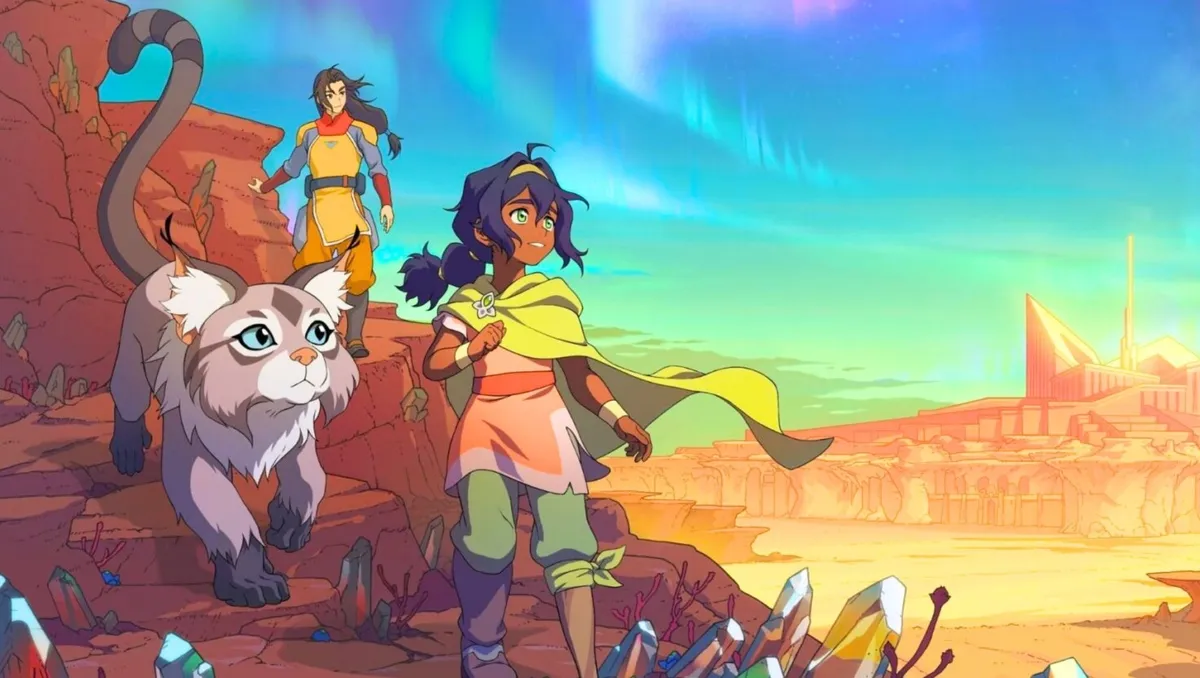
Et pour éviter que le soufflé ne retombe, Paramount a déjà verrouillé la suite : le lancement de la toute nouvelle série animée, Avatar: Seven Havens, est calé au 9 octobre 2026.
5. La facture cognitive : le syndrome du backlog fragmenté
Ce maillage multi-supports multiplie les points d'entrée, mais crée aussi un casse-tête pour le spectateur.
Regarder le live-action sur Netflix, streamer le film d'animation sur Paramount+, poncer le jeu de baston sur Steam, lire les romans graphiques sur liseuse et guetter la suite d'octobre transforme la culture en gestion de projet. L'histoire ne se suit plus en ligne droite : elle s'éparpille.
C'est là que le consommateur moderne bascule de l'enthousiasme à la fatigue culturelle.
Organiser sa progression à travers des supports aussi dépareillés (TV, console, livre) devient presque aussi complexe que de consommer les œuvres elles-mêmes.
En résumé : reprendre le contrôle de sa culture avec Gemster
L'été 2026 montre que les grandes franchises ne rentrent plus dans une seule case. En faisant coopérer la série live-action, le film d'animation, le jeu vidéo et la littérature canonique, Avatar incarne le futur du divertissement : un écosystème modulaire et multi-supports.
Mais si cette stratégie est une mine d'or pour les studios, elle se transforme en casse-tête pour le public. Entre la dispersion sur différentes plateformes de streaming, les bibliothèques de jeux vidéo et les livres, la culture transmédia génère une charge mentale inédite.
C'est précisément pour répondre à cette fragmentation que nous avons créé Gemster. Plutôt que de jongler entre une application pour vos séries, une autre pour vos jeux et des notes éparpillées pour vos livres, Gemster centralise l'intégralité de vos médias au même endroit.
- Un tableau de bord unique : rassemblez la série de 2005, la saison 2 de Netflix, le jeu sur Steam et les comics Dark Horse sous une même bannière.
- Un suivi trans-média fluide : cochez vos épisodes vus, vos tomes lus et votre progression en jeu sans jamais perdre le fil de la chronologie.
- Un backlog maîtrisé : transformez la saturation d'informations en un plaisir de progression clair et structuré.
Face à des univers culturels de plus en plus vastes, ne laissez plus le transmédia vous submerger : rassemblez vos médias dans Gemster et gardez le contrôle sur ce que vous consommez.