

Vous terminez une série, le générique défile, mais vous n'avez pas envie de quitter cet univers. Vous lancez le jeu vidéo adapté, vous commandez le manga original ou vous achetez le livre dont tout le monde parle.
La consommation culturelle fonctionne en réseau. Un succès sur un écran peut susciter de la curiosité pour d'autres supports. Voici quelques exemples documentés, en distinguant les hausses observées des liens de causalité que les chiffres seuls ne démontrent pas.
1. Du petit écran à la manette : les séries qui relancent les jeux
Pendant longtemps, les adaptations de jeux vidéo à la télévision manquaient de conviction. La tendance s'est totalement inversée : les séries et animés sont aujourd'hui un puissant moteur de ventes pour les éditeurs.
Fallout : l'explosion des ventes
En avril 2024, le lancement de la série Fallout sur Amazon Prime Video a relancé toute la franchise de Bethesda.
- Selon les données GSD relayées par VGC le 18 avril 2024, les ventes européennes de Fallout 4 ont augmenté de plus de 7 500 % par rapport à la semaine précédente, autour du lancement de la série.
- Des promotions importantes sur les jeux accompagnaient cette période : la hausse ne peut donc pas être attribuée à la série seule.
Cyberpunk, The Witcher et DMC : le levier de l'animation et du streaming
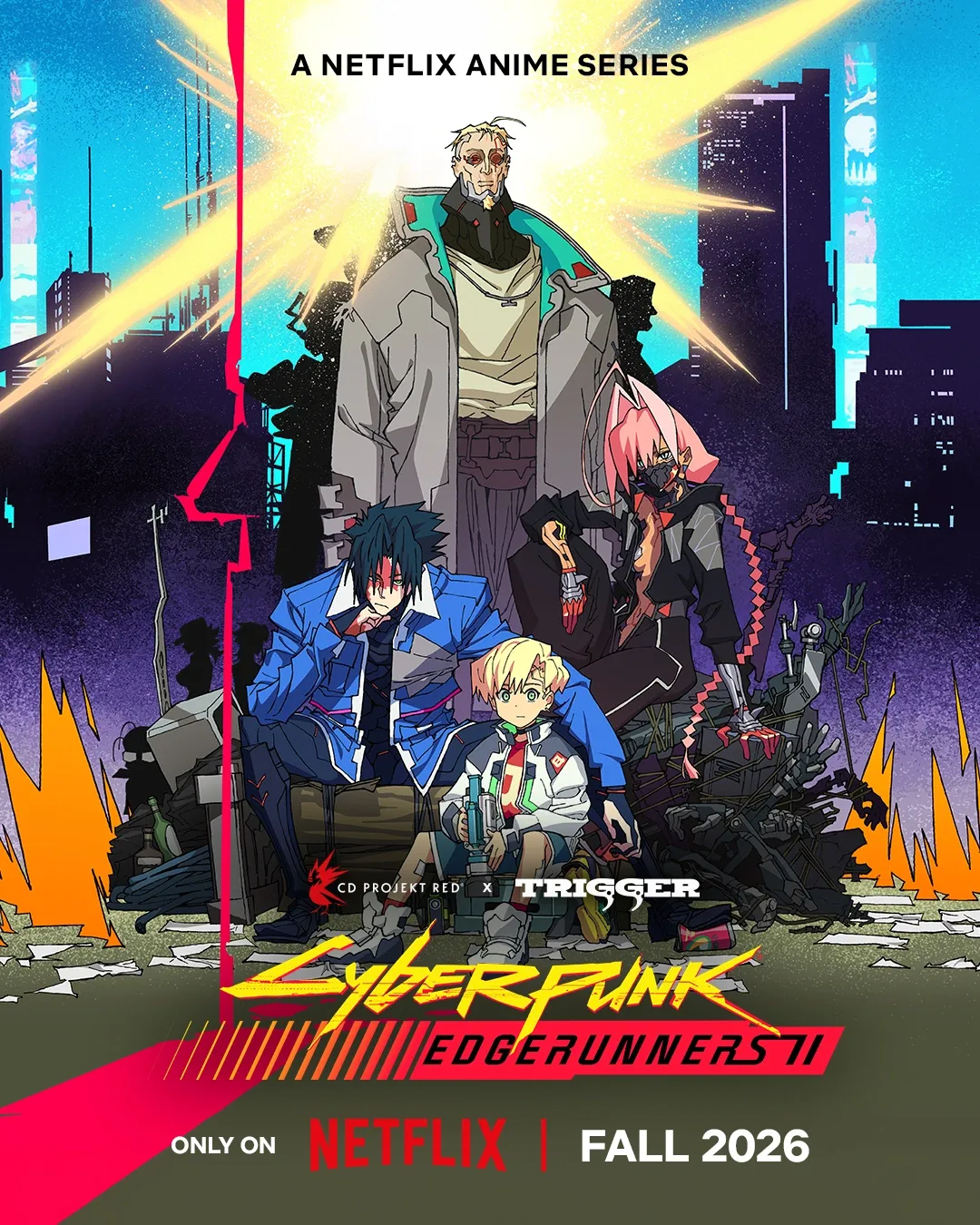
Cyberpunk: Edgerunners : en septembre 2022, l'animé et la mise à jour du jeu ont accompagné un regain d'intérêt pour Cyberpunk 2077. CD Projekt Red a alors annoncé un million de joueurs quotidiens, toutes plateformes confondues. Cette fréquentation ne mesure pas à elle seule l'effet de l'animé.
- The Witcher : selon NPD, relayé par GameSpot, les ventes physiques américaines de The Witcher 3 ont augmenté de 554 % en décembre 2019 par rapport à décembre 2018. La série Netflix et la sortie du jeu sur Switch faisaient partie du contexte de cette hausse.
- Devil May Cry : les adaptations animées offrent une autre porte d'entrée dans l'univers des jeux de Capcom. Leur existence ne suffit toutefois pas à chiffrer un effet sur les ventes.
2. L'origine du phénomène : du merchandising américain au « Media Mix » japonais
Cette synergie entre les supports ne date pas d'hier, mais elle repose sur des modèles économiques bien distincts selon les continents.
Le modèle américain : la logique du produit dérivé
Dès la fin des années 1970, Hollywood cherche à prolonger l'expérience des films. Star Wars (1977) pose les bases avec des romans originaux et des figurines Kenner. Dans les années 1980, la dérégulation de la télévision américaine permet à des fabricants comme Mattel ou Hasbro de produire des séries animées conçues pour promouvoir des jouets (Les Maîtres de l'Univers, Transformers, G.I. Joe).
Le Media Mix japonais : une stratégie circulaire
Le Japon adopte une approche différente dès les années 1970 et 1980, principalement impulsée par l'éditeur Kadokawa : le Media Mix (メディアミックス).
Plutôt que de créer des produits dérivés à partir d'un succès, l'œuvre est pensée dès le départ comme un écosystème. L'animé sert souvent de vitrine à grand budget pour booster les ventes du manga, des romans, des bandes-son et des jeux vidéo.
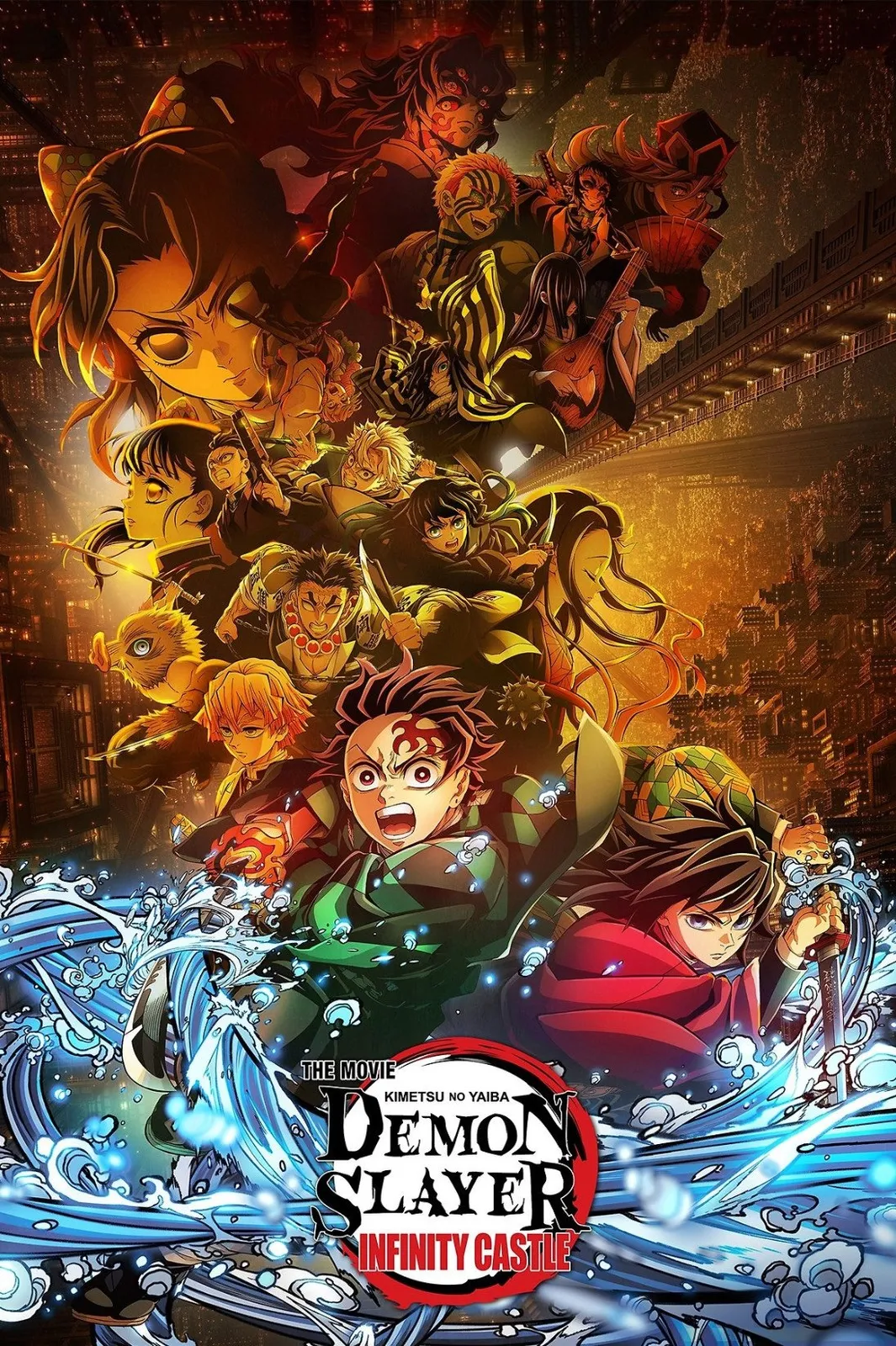
- Demon Slayer : le classement annuel Oricon 2020 recense plus de 82 millions d'exemplaires du manga vendus au Japon, après le lancement de l'animé en 2019. Ce total de ventes ne doit pas être confondu avec un tirage mondial ni attribué au seul animé.
- One Piece (live-action) : la série Netflix propose une nouvelle porte d'entrée vers le manga et l'animé. Le spectateur peut ainsi retrouver l'équipage de Luffy dans des récits plus longs et découvrir comment chaque format raconte ses aventures.
Et en Europe ? La BD franco-belge et l'école Ankama
La bande dessinée franco-belge n'est pas en reste. Le studio Belvision a porté les héros de papier à l'écran, de Tintin à Astérix et Lucky Luke. Ces adaptations permettent de retrouver les personnages sous une autre forme ; elles ne garantissent pas une hausse systématique des ventes d'albums.
- Titeuf : le personnage de Zep a quitté les pages de la BD pour la télévision, les jeux vidéo et le cinéma, autant de façons de découvrir le même univers.
- Le cas Ankama (Dofus / Wakfu) : le studio français Ankama incarne une forme moderne et aboutie de Media Mix. À partir du jeu vidéo Dofus, Ankama a développé une série animée culte (Wakfu), des mangas, des romans et des jeux de plateau, créant un univers transmédia complet produit en interne.
3. Du grand écran au papier : quand le cinéma refait lire
Le cinéma possède lui aussi un pouvoir de prescription massif sur la littérature, des comics modernes jusqu'aux plus grands classiques.
Spider-Man : le moteur des univers étendus
Avec Spider-Verse, les films du MCU, les comics et les jeux Marvel's Spider-Man, le public peut retrouver des personnages familiers sur plusieurs supports. Cette proximité favorise les passerelles, mais elle ne permet pas d'affirmer que chaque film entraîne une hausse chiffrée des ventes de jeux.
L'effet blockbuster sur la littérature
- Dune : les films de Denis Villeneuve donnent une porte d'entrée visuelle vers le cycle romanesque de Frank Herbert. Lire les livres permet ensuite d'explorer ce que l'adaptation condense.
- L'Odyssée d'Homère : le passage au cinéma invite à comparer une adaptation et son texte d'origine. C'est aussi une occasion de découvrir différentes traductions d'un même classique.
4. Pourquoi cette synergie fonctionne si bien
Cette passerelle entre les médias repose sur deux mécaniques simples.
- Prolonger l'immersion : une saison de quelques heures donne envie de rester dans l'univers. Le jeu vidéo apporte l'interactivité, tandis que le livre apporte la profondeur.
- Faciliter la découverte : une adaptation grand public rassure les curieux et les incite à découvrir l'œuvre d'origine.
5. Suivre ses découvertes avec Gemster
Passer d'une série à un jeu de 60 heures, puis à une série de mangas ou un roman rend le suivi complexe. Les consommations s'éparpillent rapidement sur plusieurs applications et supports.
C'est pour répondre à ce besoin que nous développons Gemster. L'application permet de rassembler l'ensemble de son parcours culturel au même endroit.
- Suivre sa progression multi-média : séries, films, jeux vidéo, mangas, BD et livres dans une seule interface.
- Visualiser ses habitudes : analyser son temps passé et l'évolution de ses goûts.
- Partager ses découvertes : échanger ses recommandations cross-media avec ses proches.
Pour prolonger une découverte au-delà de sa franchise, notre guide Écho explique comment trouver quoi regarder, lire ou jouer après une œuvre que vous aimez.
Et vous ? Quelle est la dernière série ou le dernier film qui vous a donné envie de lancer un jeu ou d'ouvrir un livre ?
Sources et références
- VGC — données GSD sur Fallout 4 et contexte promotionnel (18 avril 2024)
- GameSpot — données NPD, ventes physiques américaines de The Witcher 3 (décembre 2019 / 2018)
- Game World Observer — annonce de CD Projekt Red sur la fréquentation (28 septembre 2022)
- Shinbunka — classement annuel Oricon 2020 de Demon Slayer (30 novembre 2020)